Christmas gift baskets are a festive way to spread holiday cheer, but when allergies are involved, the gift can turn from a delight to a disaster. Knowing how to handle allergen information in a Christmas gift basket isn’t just a courtesy—it’s a safety measure that shows you care. In this guide, we’ll walk through practical steps, from selecting safe items to communicating clearly, so your holiday presents stay merry and safe for everyone.
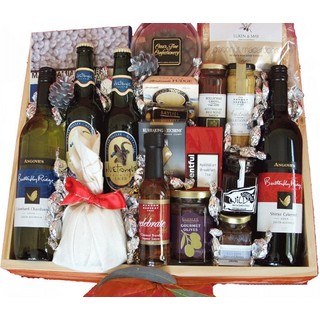
Ever wondered what happens when a nut allergy goes unchecked? Picture this: a friend, Emma, opens a beautifully wrapped basket, only to discover a single almond brittle hidden among the truffles. She almost has a reaction before realizing the culprit. That moment could have been avoided with a little allergen awareness. By following the tips below, you’ll avoid such mishaps and keep the spirit of giving alive.
Why Allergen Awareness Matters in Holiday Gift Baskets
Allergies affect more than 10% of the population, and the list of potential triggers keeps growing. Even a tiny trace can provoke a severe reaction. When you’re assembling a Christmas gift basket, you’re not just packing goodies—you’re creating a gift that may be consumed by someone with specific dietary restrictions. Handling allergen information properly protects recipients and protects your reputation as a thoughtful giver.
Common Allergens and Their Hidden Sources
- Tree nuts (almonds, walnuts, pecans) often sneak into chocolate truffles or nut butter spreads. Peanuts can be hidden in flavored yogurt or snack bars. Gluten is present in many baked goods, even those labeled “nut-free.” Dairy may lurk in creamy cheeses or sweet desserts. Eggs can be found in custards or some pastries.
Knowing where these allergens hide helps you make informed choices.
Steps to Handle Allergen Information in a Christmas Gift Basket
Research and Verify Supplier Labels
When sourcing items, don’t just trust the packaging. Look for:
- Certified allergen-free labels from reputable organizations. Batch numbers that allow you to trace potential cross‑contamination. Supplier certifications (e.g., “Gluten‑Free Certified” or “Nut‑Free Certified”).
If a label is vague, call the manufacturer. A quick phone call can reveal whether the product is truly safe.
Create a Clear Allergen Disclosure Sheet
A small card or tag next to each item can make a big difference. Include:
- Allergen list for that specific product. Contact information for the supplier or brand. Date of purchase to ensure freshness.
This sheet turns a potential hazard into a transparent, reassuring statement. It’s like having a safety net—only this net is made of paper.
Packaging and Presentation Tips
- Use separate bags for items that share allergens. Seal with clear tape and label each bag with its contents. Add a decorative tag that reads “Allergen-Free” or “Nut-Free.”
By separating and labeling, you reduce the risk of accidental cross‑contact. Think of it as giving each item its own little Christmas card.
How to Communicate with Recipients
Personalize the Message
A handwritten note that says, “I hope this basket brings you joy and is safe for you to enjoy,” shows you’ve taken the time to consider their health. Personal touches can turn a simple basket into a memorable experience.
Offer Alternatives or Substitutions
If you’re unsure about a recipient’s specific allergies, include a small card offering a swap: “If you’re allergic to nuts, let me know and I’ll replace the truffles with a nut-free alternative.” This proactive approach demonstrates care and flexibility.
Where to Source Safe, Allergen-Friendly Items
Certified Organic and Allergen-Free Brands
Many brands now offer allergen‑free lines:
- KIND Nut-Free Bars – no nuts, no dairy. Nature’s Bakery Fig Bars – gluten‑free and nut‑free. Rao’s Olive Oil – dairy‑free and safe for most allergies.
When choosing, double‑check the packaging for the most recent allergen statements.
DIY Gift Basket Ideas
If you prefer a homemade touch, craft a basket with:

- Fresh fruit (apples, grapes). Dairy‑free cheese alternatives (nut‑based cheeses). Herb‑infused olive oil and balsamic vinegar. Gluten‑free crackers and nut‑free spreads.
A DIY basket allows you to control every ingredient, ensuring safety and personal flair.
The Perfect Gift Awaits
By mastering how to handle allergen information in a Christmas gift basket, you’re not just avoiding a potential health scare—you’re elevating your gift to a thoughtful, considerate gesture. Think of your basket as a carefully curated holiday playlist: every track (or item) fits perfectly, no unwanted surprises.
Remember, the best gifts are those that come from the heart—and from a place Australian Xmas hampers of safety. When you combine delicious treats with clear allergen communication, you’re giving a present that’s both joyous and responsible.
Ready to create a basket that’s as safe as it is festive? Start by checking labels, adding a clear allergen sheet, and personalizing your note. Your recipients will thank you, and you’ll enjoy the peace of mind that comes with a well‑handled gift. Happy gifting!